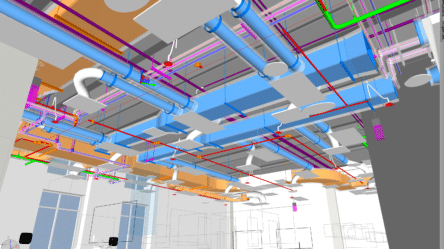


When a BIM model moves beyond coordination and into the field, even small errors can lead to costly rework, delays, and misalignment across trades. BIM QA/QC ensures that every model used for construction, fabrication, and field installation is accurate, compliant, and ready for real-world execution.
This guide explores the full scope of BIM QA/QC, including the differences between Quality Assurance (QA) and Quality Control (QC), the typical workflow, the tools involved, and the role of team culture in delivering consistent results.
What Is BIM QA/QC?
BIM QA/QC is a framework of processes used to ensure BIM models comply with project requirements, client standards, and construction objectives.
Quality Control (QC) focuses on evaluating deliverables. In BIM, this process includes model checks, clash detection, naming convention audits, and structured model reviews at key project stages to confirm that the 3D model meets project requirements.
Quality Assurance (QA) focuses on preventing issues before they occur. It includes the procedures, training, audits, and documentation that guide the creation and maintenance of 3D models from the start.
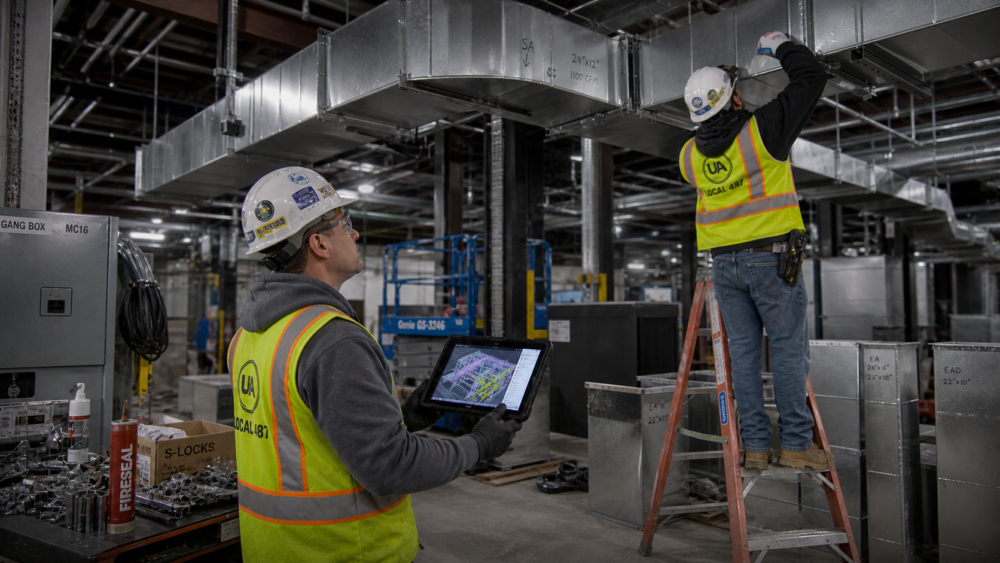
Why BIM QA/QC Is Critical in Construction
BIM QA/QC process ensures that the data stakeholders rely on is accurate and trustworthy before it drives construction decisions.
Without a structured BIM QA/QC process, errors and inconsistencies can move to field execution, where fixes are significantly more expensive. By contrast, a validated BIM model increases confidence in model data and ensures compliance with client and project requirements, helping reduce the likelihood of costly rework.
It also improves decision-making throughout the project lifecycle. When models are checked at key milestones, teams can respond faster to design changes, procurement needs, and installation sequencing.
This is especially important in prefabrication workflows, where components are built directly from model data, and there is little to no margin for error.
BIM QA/QC Process: Step-by-Step
Defining and enforcing standards early in BIM QA/QC reduces downstream rework and improves overall project efficiency.
A typical BIM QA/QC process includes these five stages:
Pre-modeling setup: Project teams define quality standards before modeling begins. This includes naming conventions, LOD requirements, file structures, and expectations for BIM Execution Plan (BEP) compliance.
Model development checks: As the model is built, BIM coordinators perform ongoing reviews to verify that elements follow standards; parameters are correctly populated, and no unauthorized changes are introduced.
Clash detection and coordination: Once models are federated, teams run clash detection to identify and resolve conflicts.
Data validation and LOD compliance: Model elements are reviewed against client requirements to confirm correct parameters, classification codes, and Level of Development (LOD) at each milestone.
Final review and delivery sign-off: Before release for construction or fabrication, a final QC review ensures all issues are resolved, documentation is complete, and deliverables meet acceptance criteria.
BIM QA/QC Tools and Workflows
Effective BIM QA/QC combines automated tools with structured review processes to ensure consistent and scalable validation across complex projects.
Key QA/QC activities include:
- Kick-off Minute meeting (Set Up phase): To ensure the client’s requirements are met, such as sharing workflows, defining project standards, and communication, among others.
- Specification Matrix (Set Up and helps with the modelling and data validation): It mentions all specifications required by the project, being a list or description of elements, considerations, and modelling requirements.
- QAQC Internal checklist: Considering the client’s requirements, profile, Project requirements and previous meetings
- New incorporation of AI to ensure BIM standards compliance checks aligned with the BIM Execution Plan (BEP) and client requirements.
However, Gabriela Otero, Processes Implementor & QA at ENG, says. “While automation accelerates validation, experienced BIM professionals remain essential for interpreting findings and evaluating constructability impacts.”
The feedback is gathered through project managers, sales teams, client meetings, and project closeout surveys, ensuring that valuable insights are captured and addressed. This approach supports continuous improvement, helping refine our processes, enhance service quality, and deliver better outcomes for our clients.
Building a Quality Culture in BIM Projects
A culture of accountability across the project team leads to Effective BIM QA/QC. Leadership establishes clear expectations early, while coordinators and discipline leads continuously review their work and address issues before they affect downstream activities. When everyone takes ownership of model accuracy, review becomes part of the workflow rather than a separate task. This approach includes:
- Encouraging team members to raise issues early
- Promoting collaboration across MEP trades
- Establishing clear quality expectations from the beginning
- Supporting continuous improvement through training, feedback, and documentation
When these conditions are in place, Quality Assurance (QA) and Quality Control (QC) become embedded in daily workflows, resulting in better coordination and more reliable digital assets throughout the project lifecycle.
Conclusion
As BIM workflows become more data-driven, construction teams are relying on digital models throughout the entire project lifecycle. Organizations that embed QA/QC into every stage of model development are better positioned to deliver predictable, efficient, and reliable outcomes.
Are your BIM models ready for fabrication and field execution?
Our BIM experts help project teams implement effective QA/QC workflows that enhance model accuracy, streamline coordination, and reduce costly issues before construction begins.