

A recent study estimates that 74% of organizations have experienced employees accidentally transmitting malware. Often, it takes only a single click on a malicious email attachment or an infected shared file to expose an entire network.
For organizations working in the Architecture, Engineering, and Construction Industry (AEC), it is a serious data security risk. A compromised BIM file, unauthorized user access, or a weakly protected collaboration platform can expose highly sensitive project data.
So how can organizations protect themselves?
This blog provides a thorough explanation of cybersecurity in BIM, exploring the most common threats facing BIM projects and how SOC 2 Type II, ISO/IEC 27001, and ISO/IEC 27701 help organizations protect project information.

What Is Cybersecurity in BIM?
Cybersecurity in Building Information Modeling (BIM) refers to protecting digital assets and data to ensure that the information used throughout the design, construction, and operation stages remains safe, accurate, and accessible only to authorized users. This includes:
- Controlling access to project data
- Preventing unauthorized changes to models
- Securing information during collaboration
Ultimately, cybersecurity in BIM is key for maintaining data integrity, protecting sensitive information, and ensuring smooth project execution.
Common Cybersecurity Threats in BIM Projects
BIM models, such as 3D designs, architectural layouts, schedules, and cost information, are often stored and shared through Common Data Environments (CDEs) or cloud-based platforms. As a result, understanding common cybersecurity threats in BIM projects is vital to protecting sensitive project data.
Below are some of the most common threats in BIM:
- Malware and Phishing Attacks
Malicious emails or files disguised as project updates or design documents are common threats in BIM environments. If a team member accidentally downloads or shares these infected files, malware can spread quickly across the system, compromising sensitive data. - Unauthorized Access to BIM Models
Weak passwords, shared login credentials, and poor access management can allow unauthorized users to access sensitive BIM data. This could lead to:
A) Data theft
B) Model tampering
C) Leaks of confidential project information - Ransomware Attacks
Ransomware attacks are increasingly targeting construction and engineering firms. Cybercriminals encrypt project files and demand payment to restore access, potentially disrupting project timelines, and causing financial losses. - Insider Threats
Not all threats come from external sources. Insider threats, whether accidental or intentional, can occur if employees or contractors misuse access to sensitive project data. - Supply Chain Risks
BIM projects often involve multiple stakeholders, such as architects, engineers, contractors, and consultants. Each additional partner increases the risk of exposure to cyber threats. A compromised system from one participant can potentially put the entire project at risk.
How SOC 2 Type II, ISO/IEC 27001, and ISO/IEC 27701 Strengthen BIM Security
SOC 2 Type II for BIM
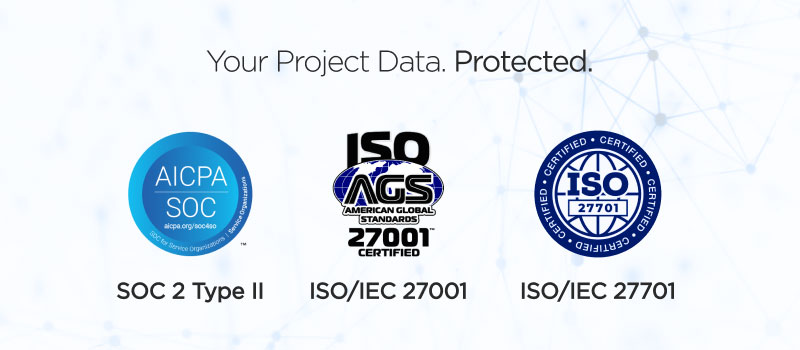
SOC 2 Type II (Service Organization Control 2) is an independent security framework that evaluates how an organization safeguards customer data. During a SOC 2 Type II audit, an independent auditor assesses whether a company has implemented effective controls based on the Trust Services Criteria, which include:
- Security: Data and systems are protected from unauthorized access, breaches, and cyber threats.
- Availability: Systems and data remain operational, accessible, and available to authorized users as needed.
- Confidentiality: Sensitive information is securely protected from unauthorized disclosure or access.
- Processing Integrity: Systems process data accurately, completely, and in a timely manner.
- Privacy: Personal information is managed according to established privacy policies, ensuring proper use, storage, and protection.
ENG has officially achieved SOC 2 Type II compliance, confirming that security practices are clearly defined, implemented, and consistently followed.
ISO/IEC 27001 and ISO/IEC 27701 for BIM Security
ISO/IEC 27001 is the global standard for establishing and continuously improving an Information Security Management System (ISMS). It helps organizations manage security risks with a systematic, risk-based approach. For BIM projects, this standard is crucial in protecting against threats, breaches, and operational disruptions.
ISO/IEC 27701 builds on ISO/IEC 27001 to specifically address privacy and the protection of personal data. This certification enables ENG to handle sensitive personal data responsibly and in compliance with global regulations, such as the General Data Protection Regulation (GDPR). ENG has been granted ISO/IEC 27001 certification, demonstrating commitment to these high standards of information security, ensuring:
- A systematic, risk-based approach to security
- Protection against threats, data breaches, and disruptions
- Assurance of globally accepted best practices for information security
Why Cybersecurity in BIM Matters
Many organizations underestimate the sensitivity of the information stored in BIM models. However, BIM data often includes information that could be valuable to competitors, cybercriminals, or malicious actors.
For infrastructure projects, BIM may even include details about transportation systems, utilities, and critical facilities. Therefore, by aligning with SOC 2 Type II, ISO/IEC 27001, and ISO/IEC 27701, ENG provides:
- Enterprise-grade security controls
- Strong privacy and data protection practices
- Reduced risk and greater transparency
- Confidence that customers’ data is protected by audited, internationally recognized standards
With these certifications, ENG delivers the highest level of data protection, privacy compliance, and security best practices, ensuring that your project information remains safe and accessible only to authorized users.
Conclusion
The cyber threats that BIM projects face, from malware and phishing attacks to unauthorized access and ransomware, pose significant risks to sensitive project data. Fortunately, aligning with SOC 2 Type II, ISO/IEC 27001, and ISO/IEC 27701 certifications enables ENG to take the necessary steps to protect BIM data and ensure secure workflows throughout the project lifecycle.
If you’re ready to strengthen your BIM security and protect your data from emerging cyber threats, contact ENG today.